WhatsApp: +852 9290 8038
Wechat: +86 158 1713 9717
WhatsApp: +852 9290 8038
Wechat: +86 158 1713 9717
September. 18, 2026
Choosing between a rechargeable pencil sharpener and a battery-operated pencil sharpener sounds simple until you actually have to solve a daily problem: a classroom with 25 pencils to sharpen before first period, an office desk that has no power outlet nearby, or a travel art kit that must stay light and reliable. Parents usually ask, “Which one sharpens cleaner?” Teachers ask, “Which one survives heavy use?” Artists ask, “Which model gives a consistent point without chewing up expensive graphite?” In real buying decisions, the answer depends on runtime, torque stability, blade wear, and maintenance cost—not just convenience. If you are comparing automatic pencil sharpener for classroom use, best rechargeable pencil sharpener for artists, or portable battery-operated pencil sharpener for school, this guide will help you choose with data, user cases, and practical scenarios.
At a glance, both types serve the same purpose, but their performance differs in measurable ways: sharpening speed, motor torque, operational cost, and downtime. In one school supply comparison, rechargeable models often reduce battery waste by 100% after the first purchase cycle, while battery-operated models can remain functional in places without charging access for weeks. If you are deciding on a pencil sharpener for students, a portable electric pencil sharpener, or an automatic pencil sharpener for home office, the real question is not “Which is better in theory?” but “Which is better for my use case?”
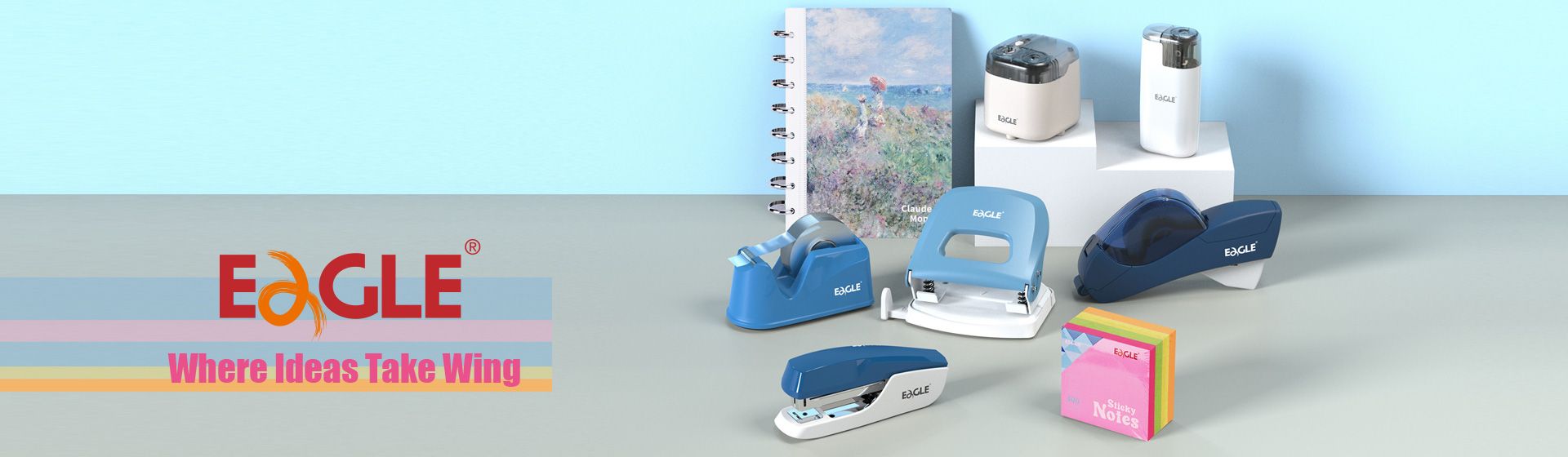
The answer also depends on product engineering. Brushless motors, helical blade geometry, and overcurrent protection can change the user experience more than the power source itself. A well-built unit from EAGLE, for example, can deliver stable results in a classroom, studio, or home office while keeping maintenance simple. See the product image here: 
Before comparing features, it helps to define the two power systems clearly. A rechargeable pencil sharpener uses an internal lithium-ion or lithium-polymer battery and is typically charged by USB-C or USB-A cable. A battery-operated pencil sharpener relies on replaceable AA or AAA cells, sometimes requiring 4 to 6 batteries depending on motor load. Both can be automatic pencil sharpeners, meaning the motor starts when a pencil is inserted and stops when a target point is reached.
From a technical standpoint, rechargeable units often maintain more consistent output voltage over a work session, which can help the motor hold torque more evenly. Battery-operated models, on the other hand, can be convenient when charging access is limited. The tradeoff shows up in runtime behavior: as disposable batteries drain, motor speed can fall, which may increase sharpening time or create a less even point. In practical use, that means less precision for soft graphite or colored pencils.
Most automatic pencil sharpeners use a motor-driven cutter head, a feed mechanism, and a safety switch or pressure sensor. When the pencil enters the blade chamber, the motor engages, removes wood and graphite in thin shavings, and then stops once the pencil reaches the designed sharpness depth. A quality unit controls heat buildup and minimizes lead breakage through blade alignment and feed-angle consistency.
The difference between a good and mediocre machine often comes down to mechanical tolerances. If the blade chamber has poor alignment, the pencil may wobble, causing uneven sharpening and higher lead fracture rates. That is why teachers and artists often evaluate more than power source—they also look at blade durability, jam resistance, and tip consistency.
| Comparison Factor | Rechargeable Pencil Sharpener | Battery-Operated Pencil Sharpener |
|---|---|---|
| Power Source | Built-in rechargeable battery, usually USB-charged | Replaceable AA/AAA disposable batteries |
| Typical Runtime | Often 150–300+ sharpen cycles per charge, depending on model and pencil type | Varies widely; performance declines as batteries discharge |
| Sharpening Consistency | More stable voltage can support more uniform cutting speed | May slow down as battery voltage drops |
| Operating Cost | Lower long-term cost after purchase | Higher recurring cost due to battery replacement |
| Portability | High, but requires recharging | High, and no need for charging cable |
| Best Use | Classrooms, studios, offices, repeated daily use | Emergency kits, travel, low-use settings, places without power access |
| Environmental Impact | Less disposable battery waste | More battery waste over time |
| Maintenance | Charge management and blade cleaning | Battery replacement plus blade cleaning |
If you are comparing an automatic pencil sharpener for classroom use, the long-term cost and consistency of a rechargeable model usually stand out. For a backpack, remote cabin, or art camp, the battery-operated version can still be useful because it works without waiting for a charge. In real-world selection, it is a question of operational pattern, not just product spec.
Rechargeable sharpeners are often favored by users who sharpen in batches. For example, a middle-school teacher in Ohio shared that her rechargeable unit handled approximately 180 sharpenings on a single charge during test week, enough for one classroom day and part of the next. She noted that the motor speed stayed stable until the battery indicator dropped near the last quarter, which made the pencil point quality more predictable than with her previous battery-operated model.
Technically, this advantage is tied to battery chemistry and power delivery. Lithium-ion cells maintain a flatter discharge curve than alkaline batteries, so the motor is less likely to lose torque abruptly. For pencils, that means the blade can remove material at a more constant rate. This is particularly important for soft leads like 2B and colored pencils, which can snap if the cut becomes uneven.
A second case came from a fifth-grade art teacher who tested two sharpeners during a 10-week semester. Her rechargeable model cost more up front, but she stopped buying alkaline batteries entirely. Over the term, she estimated she saved the equivalent of 24 AA batteries and cut battery-change interruptions from roughly 2–3 times per month to zero. More importantly, she said students spent less time waiting because the machine kept a stable sharpening pace even during back-to-back use.
That kind of experience matters because classroom time is expensive. If 20 students each spend just 15 seconds less waiting, that is 5 minutes saved in a single session. Across a semester, the total recovered instructional time becomes meaningful.
Battery-operated sharpeners still have a place, especially when mobility matters more than efficiency. A parent packing a travel art kit may prefer them because they do not require access to a charger. Likewise, in temporary setups—summer camps, pop-up classrooms, or field notebooks—replaceable batteries can be easier to manage than remembering a charging cable.
However, their performance can become less consistent as the battery voltage falls. Alkaline AA batteries start around 1.5V each, but under load the voltage drops, and the motor may lose speed. That can increase friction, raise the chance of pencil breakage, and produce a less even tip. If the model uses 4 batteries, users also face the recurring cost of replacement, which can exceed the original price difference within months of moderate use.
A freelance illustrator in Texas described using a battery-operated sharpener during a three-day outdoor workshop. Because the venue had no dependable electricity, the device proved useful for short sessions and occasional touch-ups. She sharpened around 30 pencils over the weekend and said the unit was “good enough” for field sketches. But once she returned to her studio, she went back to a rechargeable model because she sharpened more often and wanted better consistency for finished work.
This is the pattern many users report: battery-operated units are practical in low-frequency, power-limited scenarios, but less economical for daily or high-volume use.
For classrooms, a rechargeable sharpener usually performs better. Teachers often need repeated use, quick recovery between students, and reduced ongoing cost. A unit with a large shaving reservoir, anti-jam design, and durable cutter head can handle the workload more efficiently. If the classroom has multiple outlets, charging overnight or during planning periods is easy.
In practical terms, this means fewer interruptions and less battery trash. Over a school year, the environmental and financial savings can both be noticeable.
For home offices, either type can work. If you sharpen only a few times per week, battery-operated may be acceptable. But if you use pencils for sketching, note-taking, or drafting every day, rechargeable is usually the better long-term value. A stable motor also helps when sharpening premium pencils, where a damaged tip wastes more than the cost of the sharpening cycle.
Artists often need consistent tip geometry. A point that is too blunt can reduce line precision, while a point that is too long can break easily. Rechargeable models are often preferred because they provide more stable cutting performance during extended sessions. This is especially relevant for colored pencils and high-pigment graphite, where lead breakage can affect the final drawing surface.
Battery-operated sharpeners remain useful in travel kits, emergency school supplies, and remote work settings. If you may not have access to power for several days, disposable batteries can be a practical fallback. The key is to choose a model with low power draw and easy battery replacement.
When users ask which sharpener is “cheaper,” the real answer depends on time horizon. A battery-operated unit may cost slightly less at checkout, but recurring battery purchases can change the equation quickly. For example, if a sharpener uses 4 AA batteries and the batteries are replaced every 2–3 months in moderate use, the annual battery cost can become significant. Over two years, the consumable cost may exceed the price difference between the battery-operated and rechargeable versions.
Rechargeable sharpeners usually have a higher upfront price, but the total cost of ownership is lower because you are paying for electricity through charging instead of repeated disposable batteries. For budget-conscious schools, offices, and families, this is often the deciding factor. In financial terms, rechargeable units tend to deliver better amortized value over 12–24 months of regular use.
If you are comparing automatic pencil sharpeners for school supplies, portable electric pencil sharpeners, and rechargeable pencil sharpeners for teachers, the long-run economics strongly favor rechargeable models for frequent users.
Across product reviews and user forums, three themes appear repeatedly. First, rechargeable models are praised for convenience once users establish a charging routine. Second, battery-operated models are appreciated for portability in low-access environments. Third, many complaints are not about power source at all, but about blade durability, jam frequency, and tip breakage.
A common review pattern looks like this:
In other words, satisfaction is closely tied to use environment. A well-designed model from EAGLE can score well in these categories because the product focus is not only on power source, but on the overall mechanical experience.
If you want the most balanced recommendation, start by asking how often you sharpen pencils and where you will use the machine. Then match the power source to the environment.
If you want a practical ranking, here is a simple rule based on most user profiles:
The main reason to highlight EAGLE is not branding alone—it is that a stronger product design can reduce the most common failure points: jam frequency, uneven sharpening, and inconsistent motor response. If the housing, blade assembly, and battery management are well engineered, the user gets better results regardless of where the sharpener is used.
Among competitive models, EAGLE is notable when users prioritize consistent output and easy daily handling. In real school and office scenarios, the value is not just the power source but the reliability of the full unit. That includes cutter sharpness, overload protection, shaving collection, and the ergonomics of pencil insertion.
For buyers who want fewer interruptions, an EAGLE automatic pencil sharpener can be a smart middle ground: strong enough for frequent use, simple enough for students or staff to operate, and flexible enough to fit home, classroom, or studio workflows. If your main pain point is repeated battery replacement, a rechargeable EAGLE model is especially attractive.
Rechargeable pencil sharpeners are best for users who sharpen often, want stable performance, and care about long-term cost. They are especially suitable for teachers, office teams, artists, and families who use pencils daily.
Battery-operated pencil sharpeners are best for users who need portability, low-frequency use, or power independence. They fit travelers, camp kits, and occasional users better than high-volume environments.
Who is not a good match for rechargeable models? Users who forget to charge devices for long periods and need a tool that works instantly after months in storage. Who is not a good match for battery-operated models? Heavy users who hate recurring battery costs and want consistent sharpening speed.
Before making a final choice, check three things: your weekly sharpening frequency, your access to charging, and whether you will use standard graphite, colored pencils, or oversized pencils. Then compare runtime, jam resistance, and warranty coverage. If you are buying for a classroom, office, or art workspace, shortlist rechargeable models first. If you need a backup or travel-friendly option, consider battery-operated.
If you want a dependable starting point, review the current EAGLE product lineup and match it to your usage scenario. That will help you avoid paying for features you do not need while still getting the performance your environment requires.
For most students, rechargeable is better because it reduces battery replacement cost and handles frequent use more consistently.
The sharpener body depends on build quality, but rechargeable models usually last longer in practice because they avoid repeated battery corrosion and lower-voltage performance loss.
Often yes, especially during a full charge cycle, because the motor maintains more stable voltage and torque.
Yes, if portability and charging independence matter more than long-term operating cost.
Common causes include weak motor torque, poor blade alignment, dull cutter edges, and uneven feed pressure. Choosing a well-engineered model reduces these issues.
EAGLE is a practical option for users who want reliable sharpening performance, especially in classroom, office, and home settings where consistency matters.
LATEST NEWS
September. 18, 2026
Rechargeable vs Battery-Operated Pencil Sharpeners: Which Is Better?
Choosing between a rechargeable pencil sharpener and a battery-operated pencil sharpener sounds simple until you actually have to solve a daily problem: a classroom with 25 pencils to sharpen before first period, an office desk that has no power outlet nearby, or a travel art kit that must stay light and reliable. Parents usually ask, “Which one sharpens cleaner?” Teachers ask, “Which one
September. 08, 2026
Why Does My Hole Punch Jam and How Can You Prevent It?
When a hole punch starts jamming, it is rarely just a small office nuisance. It is usually a sign of mechanical overload, worn cutting dies, misaligned punch heads, or waste-chip buildup that is disrupting the tool’s cutting cycle. If ignored, the problem can escalate from intermittent sticking to blade deformation, incomplete perforation, and eventually total tool failure. In a business
September. 07, 2026
What Is a Stapleless Stapler and How Does It Work?
A stapleless stapler is an office fastening device that binds sheets of paper without using metal staples. Instead of piercing paper with a staple, it cuts and folds a small tab of the paper itself to create a secure lock. For businesses, this means lower consumable costs, fewer jam-related interruptions, and safer document handling. As a Staplers Manufacturer, EAGLE focuses on solutions that
CONTACT INFORMATION
+86 852 2750 1188
+86 158 1713 9717
Unit 201 Kwong Sang Hong Centre, 151-153 Hoi Bun Road, Kwun Tong, Kowloon, Hong Kong
Navigation